The Appeal of Invisible Braces for Straightening Teeth
When I first started looking into orthodontic treatment as an adult, the thought of wearing metal braces made me pause. It was not just the look; it was the feel and the constant awareness of brackets and wires. That is when I discovered invisible braces. They offer a way to straighten teeth without the obvious hardware. For many adults and teenagers, this changes the whole calculation around orthodontics. Instead of dreading the appearance of braces, you can focus on the result.
Invisible braces are essentially clear aligners, often known by the brand name Invisalign. They are made from a medical-grade plastic that fits snugly over your teeth. Because they are transparent, people rarely notice you are wearing them unless you point it out. This makes them a popular choice for professionals, public speakers, and anyone who feels self-conscious about traditional braces. I have spoken to several patients who said they would have avoided treatment entirely if not for clear aligners. The psychological barrier is real, and invisible braces remove it.
I remember consulting with a patient who was a sales manager. He spent his days in meetings and client calls. The idea of a mouth full of metal made him anxious. We discussed the option of invisible braces scottishorthodontics and he decided to go ahead. Six months in, he told me no one had even asked about them. That is the kind of feedback that reinforces why this technology matters. It is not just about aesthetics. It is about confidence during treatment.
How Invisible Braces Work
Clear aligners work on the same principle as traditional braces but with a different mechanism. Instead of brackets glued to each tooth connected by a wire, you wear a series of custom-made trays. Each tray is slightly different from the last, gently shifting your teeth into better alignment. You wear each set for about two weeks, then move to the next. The treatment time is comparable to metal braces, usually between six and eighteen months depending on the complexity of your case.
One of the main advantages is comfort. Traditional braces can cause sores and irritation from the brackets rubbing against your cheeks. Invisible braces are smooth plastic, so there is less friction. You do still feel some pressure when you change trays, but that is the teeth moving. That sensation fades after a day or two. I have found that patients adapt much faster to clear aligners than to fixed braces. The first week is the hardest, but after that, most people forget they are wearing them.
Another practical point is that invisible braces are removable. You take them out to eat, drink, brush, and floss. This makes oral hygiene far easier during treatment. With metal braces, food gets trapped, and brushing becomes a chore. With clear aligners, you can maintain your normal routine. That reduces the risk of cavities and gum problems while you straighten your teeth. It is a significant long-term benefit that many people do not consider at first.
Who Benefits Most from Invisible Braces
While invisible braces work for many people, they are not for everyone. The ideal candidate has mild to moderate crowding, gaps, or bite issues. For very severe cases, traditional braces might still be the better option. Clear aligners rely on the trays fitting precisely, so if your teeth are extremely rotated or tilted, the aligners may not seat properly. A thorough assessment by an orthodontist is essential before deciding.
Adults are the primary audience for invisible braces, but they also work well for older teenagers. Younger children are less likely to be compliant with wearing aligners the required twenty-two hours a day. If a child takes them out and forgets to put them back, treatment stalls. For responsible teenagers, however, invisible braces scottishorthodontics can be a great fit. I have treated sixteen-year-olds who managed their aligners perfectly and finished ahead of schedule.
There is also a practical consideration around speech. Some people experience a slight lisp when they first start wearing clear aligners. This usually resolves within a few days as your tongue adjusts. For voice professionals like singers or teachers, the adjustment period can be a bit longer. I advise these patients to practice reading aloud at home before wearing them in public. Most adapt within a week. The trade-off is worth it for the invisibility.
Comparing Invisible Braces to Other Options
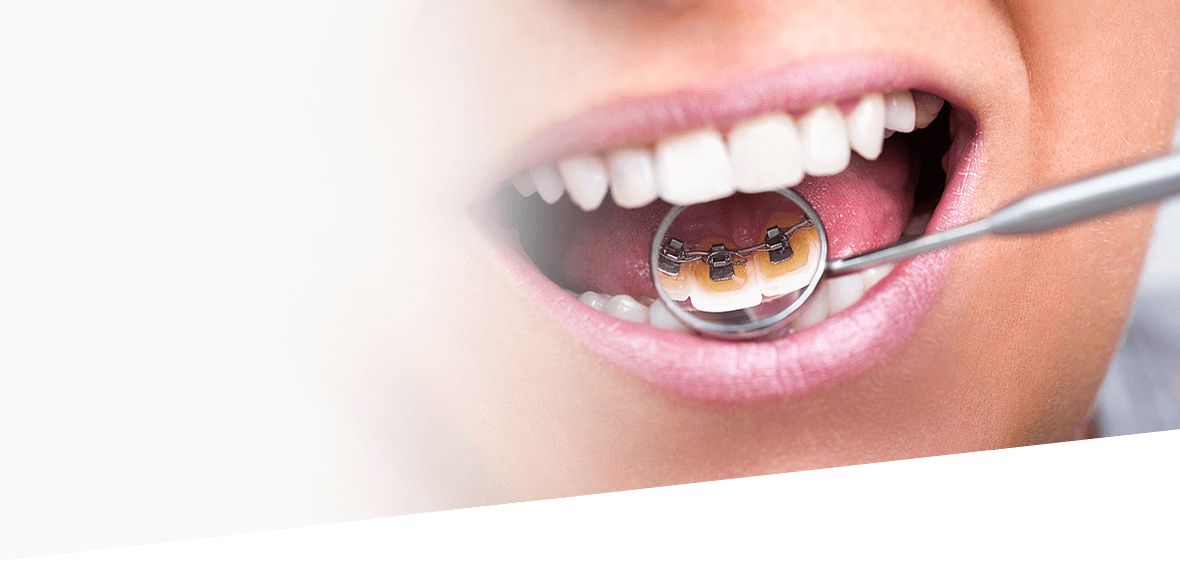
Lingual braces are another type of invisible orthodontic appliance. These are metal brackets placed on the inside of your teeth, so they are hidden from view. They work well, but they can be uncomfortable because your tongue constantly touches the brackets. Speech is more affected, and cleaning is harder. Clear aligners are generally more comfortable and easier to maintain. For most patients, the choice comes down to comfort versus invisibility. Lingual braces are truly invisible, while clear aligners are nearly invisible. Both have their place.

Clear aligners also require discipline. You must wear them for the prescribed hours, and you must keep them clean. If you lose a tray or damage it, treatment can be delayed. I always remind patients that the success of invisible braces depends on their commitment. The technology is brilliant, but it is not magic. You have to follow the plan.
Scottish Orthodontics offers both Invisalign and traditional braces, so patients can choose based on their needs. The team takes time to explain the pros and cons of each option. I have referred several friends there because they provide honest advice without pushing one method over another. When I first visited Scottish Orthodontics, I was impressed by how thoroughly they explained the process. They showed me models of what the aligners look like and walked me through the timeline. That transparency builds trust.
Practical Tips for Anyone Considering Invisible Braces
If you are thinking about invisible braces, here are a few things to keep in mind based on my experience and the stories I have heard from other patients:
- Start with a consultation. An orthodontist needs to examine your teeth, take X-rays, and create a digital scan. This is the foundation for your custom aligners.
- Be prepared for some discomfort at the beginning. It is normal, and it passes. Over-the-counter pain relievers can help, and cold foods soothe sore gums.
- Stay consistent with wear time. Removing them for more than a couple of hours a day can set you back. Make it a habit to pop them in after meals.
- Keep a backup set of your previous tray. Sometimes you need to go back a step if your teeth are not tracking as expected. It is better to have them than to wait for a replacement.
I also recommend asking about retainers. After your invisible braces treatment ends, you will need a retainer to keep your teeth in place. Many people forget this step, and teeth can shift back. Scottish Orthodontics provides a clear retainer as part of the treatment plan, which is a smart move. It is the final piece of the puzzle.
The Verdict on Invisible Braces
Invisible braces are a genuine innovation in orthodontics. They combine effectiveness with discretion, making tooth straightening accessible to people who would otherwise avoid it. The ability to eat normally, brush easily, and smile without feeling self-conscious is a huge draw. I have seen patients transform not just their smiles but their confidence. They stop hiding their teeth and start showing them off.
For anyone in Scotland considering orthodontic treatment, invisible braces scottishorthodontics is a phrase worth searching. The practice has a solid reputation for clear aligner treatment, and they understand the specific needs of adult patients. Whether you are twenty-five or fifty-five, the process is similar and the results are rewarding. It is never too late to fix something that has bothered you for years.

At the end of the day, the best orthodontic treatment is the one you actually complete. Invisible braces make it easier to stay the course because they do not disrupt your daily life the way metal braces do. That alone is reason enough to consider them. I have recommended them to colleagues, friends, and family members, and every single person has been glad they chose that route. The technology works, and it works without shouting for attention.
If you are on the fence, I would say go for a consultation. You have nothing to lose and a straighter smile to gain. The invisibility is just a bonus. The real prize is the alignment, the bite, and the confidence that comes with a smile you are proud to share.
 Facebook
 Instagram